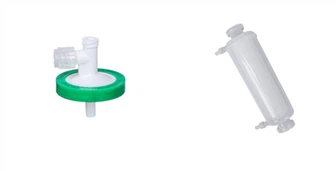

FAQs about Centrifugal Filter Devices
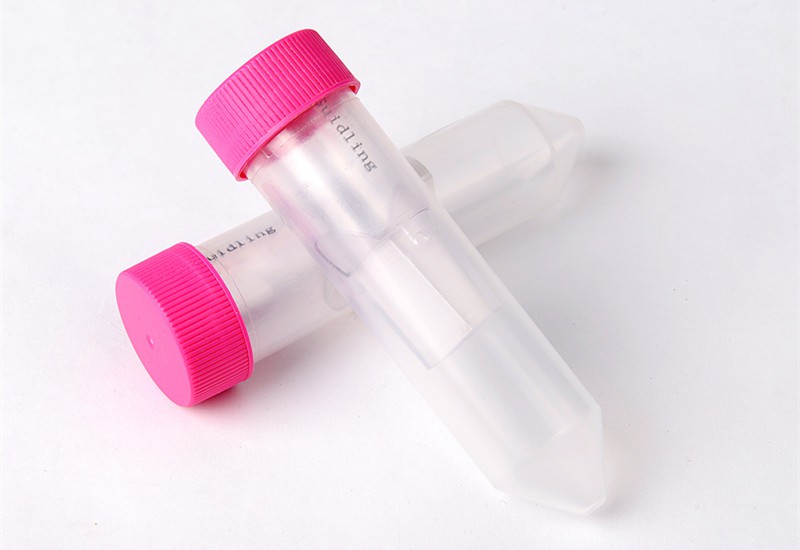
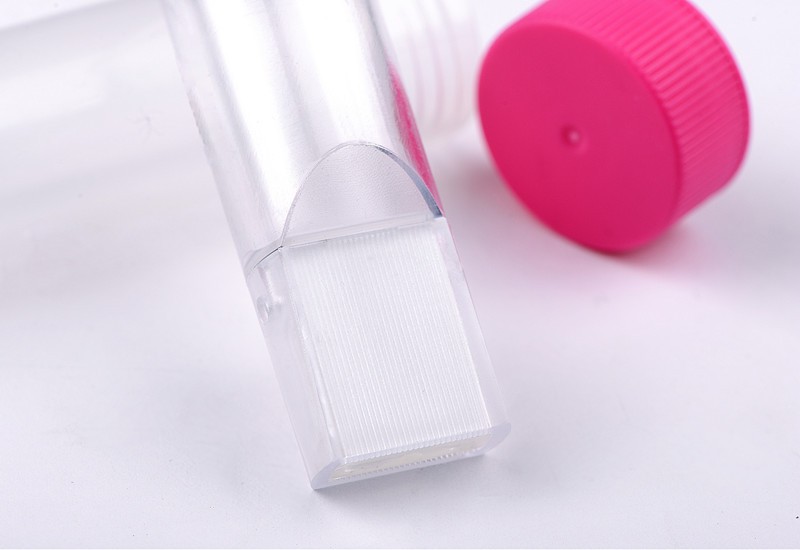
Q1. It is necessary to separate proteins of different molecular weights, so how much difference should the molecular weights of the proteins need?
A:The size of the two proteins needs to differ by 10 times or more.
Q2. Can centrifugal filter devices be sterilized and resistant to alkali washing?
A: It can be sterilized with 75% ethanol aqueous solution, and the membrane can withstand 0.1-0.5N sodium hydroxide alkali washing.
Q3. How to deal with if the protein precipitated during concentration?
A: If the protein is concentrated too fast or too concentrated, it may cause protein precipitation, and the final concentration of the protein after concentration should not be too high; Proteins that are sensitive to concentration rate and tend to precipitate, suggested improvements method:
Reduce the centrifugal speed
Use ultrafiltration membrane with a higher molecular weight cut-off
Blow and suck the concentrated tube and then centrifuge
Q4. What is the possible reason why the centrifugal filter devices cannot be centrifuged down?
A: You can use about 20% ethanol aqueous solution for initial centrifugation if the ultrafiltration tube cannot be centrifuged, because the ultrafiltration membrane is completely dry, the surface of the membrane is weakly hydrophobic, and the flux can be restored after infiltration with a low surface tension solvent.
Q5. Correct use methods and storage of centrifugal filter devices
A: The centrifugal filter devices should be centrifuged with purified water before use to verify its integrity. After each use, it is required to be stored in a wet state to prevent the membrane from drying out.
Q6. How does the centrifugal filter devices remove endotoxin ?
A: The centrifugal filter devices we provided have not been treated with endotoxins, and because endotoxins exist widely in nature, samples that require endotoxins can be pre-cleaned with 0.5N sodium hydroxide before the experiment, and then washed with RO water to remove most of the endotoxin.
Q7. When the concentrated protein is used for downstream analysis, it is found that there is interference, what is the reason?
A: The centrifugal filter devices can be pre-washed with buffer solution or purified water. If the interference still exists, wash with 0.1N sodium hydroxide, and then wash with purified water.
Q8. It is found that there is no target protein in the concentrate after concentration. What are the possible reasons?
A: 1)The initial concentration of the protein should not be too low, if the concentration is too low, the membrane may not be able to retain.
2)Select the appropriate membrane pore size. The centrifugal concentration of filter tube belongs to dead-end filtration, and the membrane pore size is generally less than 2 times or more than the target protein.
3)Choose the right centrifugal speed
4)Whether the target protein precipitates
Q9. Passivation treatment of centrifugal filter devices
A: Passivation pretreatment of the surface of the centrifugal filter devices can reduce the adsorption loss of protein on the membrane surface, in most cases, pretreatment of the column before concentrating the diluted protein solution can improve the recovery, Because the solution can fill the exposed empty protein adsorption sites on the membrane and surface, the passivation method is to pre-soak the column with a high volume of passivation solution for more than 1 hour, flush the column thoroughly with distilled water, and then centrifugate the column once with distilled water to completely remove the passivation solution that may remain on the membrane, be careful not to let the membrane dry after passivation, if you want to keep it for future use, you need to add sterile distilled water to keep the membrane wet., please contact our engineers for common passivation solutions.
Q10. Does the ultrafiltration membrane filter the molecules hierarchically?
A: Generally speaking, if the dead-end filtration method is used, it is difficult to accurately remove small molecules among several large molecules by ultrafiltration method. This is because the membrane is a porous network structure, and its filtration mechanism is based on retention rather than passage, such as, the cut off rate of molecules larger than 100kd is >95% if using a 100kd ultrafiltration membrane, however, molecules smaller than the pore size of the membrane do not completely pass through the membrane freely. The molecular retention rate of 67kd is more than 70%, and the protein of 43kd is also more than 40% cut off, the various components in a mixed solution pass through the membrane not as simple and easy as a single component solution, In practice, if you want to isolate two macromolecules, the molecular weight difference between them should be eight times or more.
Q11. How to effectively separate large and small molecules through ultrafiltration?
A: Due to the needs of the process, the impurities in the macromolecules are removed, or the small molecules are removed from the macromolecules, it is normal in production. It is very necessary to choose the appropriate membrane pore size, filtration method and operating conditions. Generally speaking, if the MWCO specification of the membrane is selected between the two proteins, a relatively ideal separation can be achieved. If the protein solution is relatively dilute, operating under low pressure will also help to achieve better results. Choose tangential flow filtration and perform multiple diafiltration to get better separation effect.