


Your Professional Depth Filter Supplier
Hangzhou Guidling Technology Co., Ltd. is an innovative manufacturer established in 2015, specializing in downstream biopharmaceutical purification and separation solutions. We focus on clarification, concentration, and filtration processes for biological production. Our main products include ultrafiltration & microfiltration cassettes, TFF systems, centrifugal filter devices, depth filter modules, and virus removal filters. These products are widely used in antibodies, vaccines, diagnostics, blood products, and cell culture applications.
Stable Manufacturing Capability
We have a complete production system for filtration products, ensuring consistent quality and stable supply. Our manufacturing process is designed to meet industrial biopharmaceutical standards.
Continuous Product Development
We keep improving our filtration technologies and have developed multiple product series since 2015. This allows us to provide updated and efficient solutions for downstream purification needs.
Flexible Application Solutions
Our products are designed for different bioprocess stages, including clarification, concentration, and virus removal. This helps customers build more efficient and customized filtration workflows.
Reliable Cooperation Support
We focus on long-term cooperation with customers by providing responsive communication and technical assistance. Our aim is to support smooth project operation from selection to application.


Depth filters are commonly used when the fluid to be filtered contains a high dirt load or where extended filter life is required because, relative to other types of filters, depth filters can retain a large mass of particles before becoming clogged.
Parameter
|
Connector |
Luer or Quick Clamp Fittings |
|
Animal-derived |
All filters are made of synthetic materials and are not derived from animals |
|
Integrity test |
Pass the aerosol test |
|
Operating pressure |
Inlet pressure≤3bar |
|
Operating temperature |
≤37℃ |
|
Alkali resistance |
45min At 25°C, the maximum resistance to 0.5N sodium hydroxide is 45min |
|
pH |
2-13 |
|
Sterilization method |
Steam sterilization, ethylene oxide sterilization, gamma-ray sterilization |

The depth filter produced by our company mainly include the following types:
Depth Filtration Capsule
Depth filtration capsule is a self-contained, disposable filter unit that traps and retains particulate matter throughout the thickness (or depth) of its media, rather than just on the surface.
Single-Use Depth Filter
Single-use depth filter is a disposable, non-woven filter used to separate solids from liquids by capturing particles throughout the entire thickness of the filter media, rather than just on the surface.
High particle holding capacity
As the particles are retained inside the filter medium, a depth filter can hold a larger quantity of solids.
Efficient for small particles
Depth filters are particularly suitable for the filtration of very fine particles.

Applications of Depth Filter
Pre-Filtration in Water Treatment Plants
Depth filters are crucial in removing large particles and sediments from raw water. They serve as the first line of defense, preventing clogging and damage to downstream ultrafiltration or reverse osmosis units.
Oil & Gas Downstream Processing
In oil refining, depth filters remove particulates from crude oil and process fluids, ensuring purity before chemical treatments or final product extraction. They help prevent equipment wear and improve product quality.
Pharmaceutical Manufacturing
In pharmaceutical production, purity is paramount. Depth filters are used during the sterilization process to remove bacteria, endotoxins, and particulates from liquids. They are integral in ensuring compliance with strict regulatory standards like GMP (Good Manufacturing Practice).
Food & Beverage Processing
Depth filters are employed to clarify liquids such as juices, wines, and dairy products. They remove suspended solids, yeast, and bacteria, ensuring product clarity and stability. Their ability to handle viscous fluids and large volumes makes them ideal for continuous processing lines.
Chemical Manufacturing & Processing
In chemical plants, depth filters serve to remove catalysts, pigments, and other particulates from process streams. They help maintain process integrity and prevent equipment fouling. These filters are selected based on chemical compatibility and flow requirements.
Membrane Filter vs Depth Filter: Key Differences
|
Comparison Dimension |
Membrane Filter |
Depth Filter |
|
Filtration Type |
Surface filtration |
Depth filtration |
|
Retention Mechanism |
Absolute-rated micropores |
Multi-layer gradient pores |
|
Filtration Precision |
High (microorganism control) |
Nominal (large particle removal) |
|
Dirt-Holding Capacity |
Low |
High |
|
Service Life |
Shorter |
Longer |
|
Integrity Testing |
Yes |
No |
|
Cost |
Higher |
Lower |
|
Best Applications |
Final filtration, sterile applications |
Pre-filtration, high particle loads |
Deep Filter Installation Guide
Handling Precautions
Depth filter sheets should be carefully handled into the plate and frame filter during installation to maintain structural integrity
Avoid banging, bending, and rubbing the sheets
Discard sheets with visible damage prior to use
Direction Control
Rough Surface (Unfiltered Side): Faces the feed stream inlet
Smooth Surface (Filtrate Side): Contacts the polished filtrate plate
Critical Alignment
Ensure smooth filtrate side aligns with clean plate grooves
Verify directional arrows on sheet edge match flow indicators
Customizable Options
|
Pore Size |
0.2 µm / 0.45 µm / 1 µm / 5 µm |
|
Filtration Mode |
Clarification / Pre-filtration / Sterile filtration |
|
Flow Capacity |
1 L/h – 100 L/h (depends on scale) |
|
Dirt Holding Capacity |
High / Medium / Custom grade |
|
Housing Material |
PP / PE / Stainless steel housing |
|
Filter Depth |
1 mm – 10 mm (multi-layer design) |
|
Particle Retention |
0.1 µm – 10 µm range |
Packaging and Shipping
|
Packaging |
Inner Packaging: Sterile protective bag or shrink wrap Outer Packaging: Extra-thick cardboard carton |
|
Shipping |
For small quantity or sample will be shipped by DHL, FEDEX ,TNT ( shipping days 3-4 days). For bigger quantity will be shipped by sea shipment to your pointed nearest seaport ( shipping days 1 month). |
Our Factory
Our factory is located in the Hangzhou City, we have 5 production lines, which can produce 8000pcs cassettes and 5000pcs holders, and have about 100 workers in the factory.
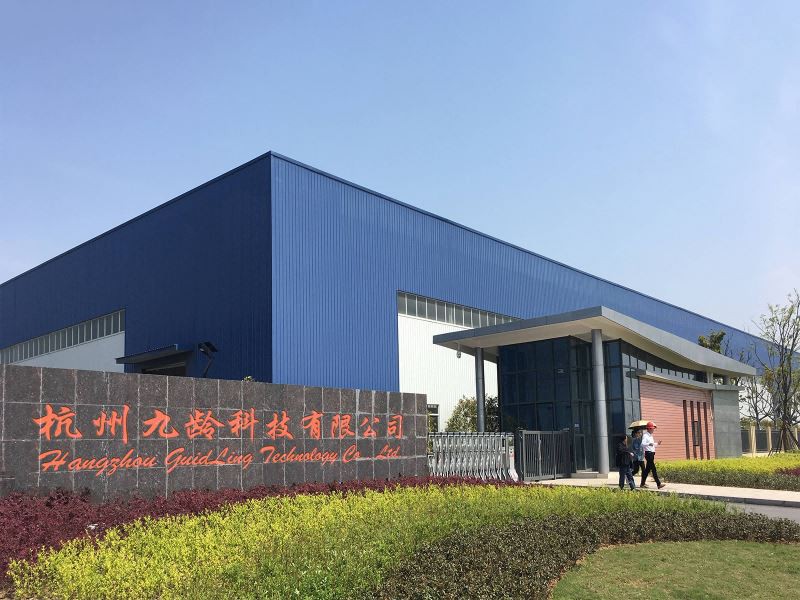
We're well-known as one of the leading depth filter manufacturers and suppliers in China. If you're going to wholesale bulk high quality depth filter in stock, welcome to get free sample from our factory.
filtration in sterilization, sterilizing filter, membrane filter sterilization