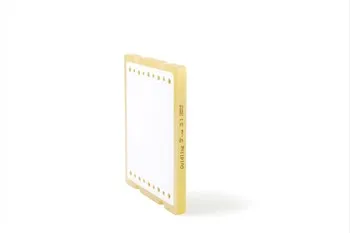

Enhancing Efficiency and Cost-effectiveness with Microfiltration Cassettes
Enhancing Efficiency and Cost-effectiveness with Microfiltration Cassettes
Introduction:
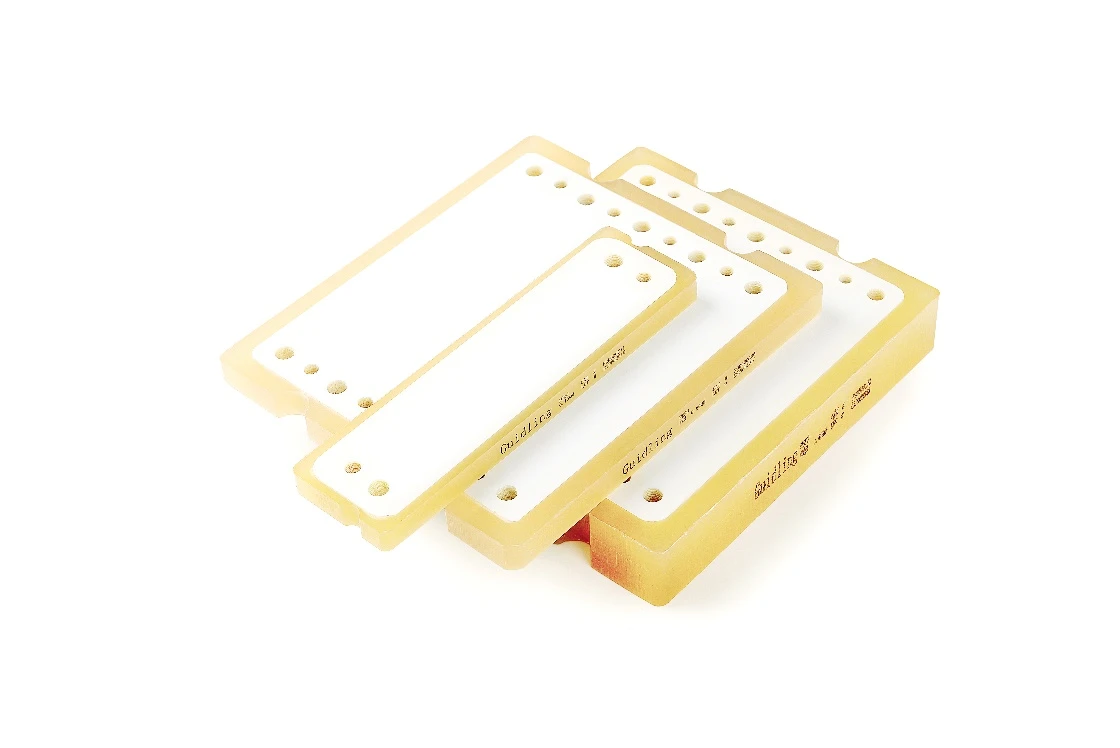
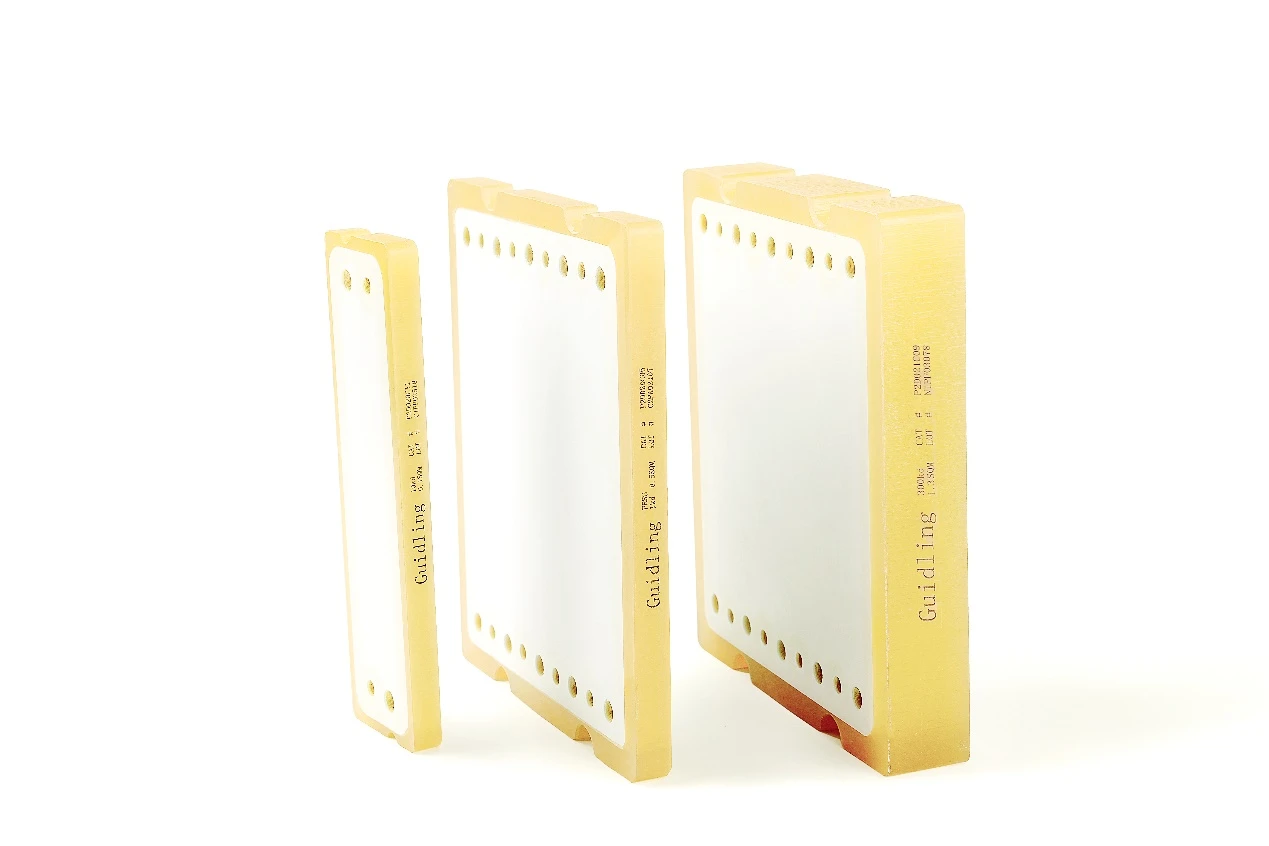
Microfiltration cassettes, composed of polymer materials, possess the ability to selectively filter out larger particles. They are widely employed in biopharmaceutical production, facilitating strain separation, purification, impurity removal, concentration and target product extraction. Microfiltration cassettes play a crucial role in biopharmaceutical production by effectively filtering out larger microorganisms, cells and organic substances.
1. Applications:
a. Cell Culture Media Clarification:
Ensure optimal cell growth and expression by employing microfiltration cassettes to remove cell debris, bacteria, viruses and impurities from culture media. 0.2㎛microfiltration cassettes are commonly utilized to effectively eliminate microorganisms such as bacteria and viruses.
b. Vaccine Preparation:
Microfiltration cassettes are widely used in the purification and clarification of pathogen antigens during vaccine preparation. They effectively remove impurities and microorganisms, enabling the production of high-quality vaccines.
c. Protein Purification:
In the purification process of proteins, microfiltration cassettes are instrumental in removing large molecular impurities and cell debris. By filtering the turbid protein solution, these cassettes efficiently eliminate impurities and microorganisms, resulting in purified proteins.
d. Plasma Preparation:
Microfiltration cassettes can be utilized to filter collected blood, separating plasma from solid components like red blood cells. By removing cells and platelets, the cassettes ensure the production of pure plasma.
2. Advantages of Microfiltration Cassettes:
Implementing microfiltration cassettes offer notable benefits in terms of cost reduction and enhanced efficiency.
a. Streamlined Production Process:
Microfiltration cassettes simplify production by replacing time-consuming steps such as centrifugation and ultrasound treatment. This reduction in processing time significantly shortens production cycles and improves overall efficiency.
b. Cost Savings:
Compared to traditional methods, utilizing microfiltration cassettes reduces raw material consumption and waste generation. These cassettes also have a prolonged lifespan and require minimal maintenance, resulting in further cost savings.
c. Improved Product Quality:
Microfiltration cassettes enable the removal of impurities while retaining the desired target product. This results in increased purity and activity of the final product, enhancing its quality.
Conclusion:
Microfiltration cassettes offer a versatile and efficient solution for various biopharmaceutical processes. By leveraging the benefits of these cassettes, companies can achieve cost savings, streamlined operations and improved product quality, driving success in the biopharmaceutical industry.