


Cryopreservation – Ensuring cell viability when freezing cell cultures
Cryopreservation – Ensuring cell viability when freezing cell cultures
Ensuring complete control is vital when you are working with cell culture. A viable cell culture is a valuable resource and freezing them can ensure they are preserved for future use. However the task of freezing cell cultures (cryopreservation) can come with its own set of challenges.
Let’s take a closer look at these hurdles and how we can overcome them, to ensure cell viability during cryopreservation.
What are the key considerations for cryopreservation?
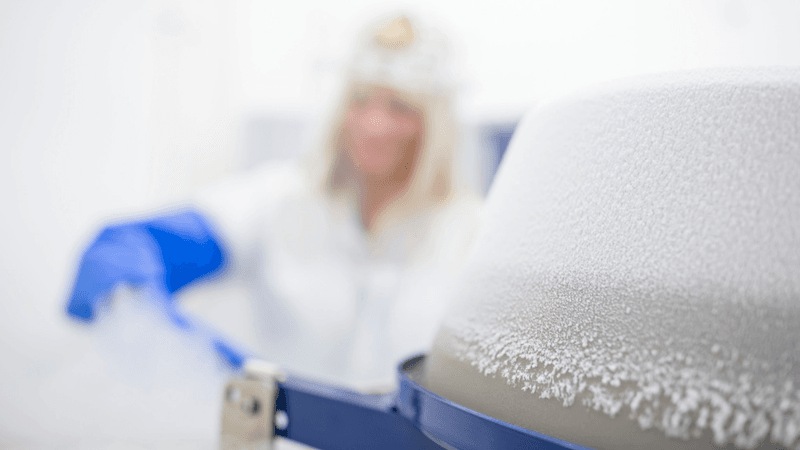
During cryopreservation, the materials and equipment you use are key to the success of freezing the cells safely. Not only to ensure integrity of the process is maintained but also the cost and time implications.
The standard way to cryopreserve cell culture is using liquid nitrogen, however working at liquid nitrogen temperatures (-196°C) can cause a problem. If your cells are frozen too quickly it can lead to ice crystals forming, causing membrane damage and cell death. The use of cryoprotective agents, such as dimethyl sulfoxide (DMSO) are commonly used to reduce the freezing point and allow for a slower cooling rate.
Finding a cryopreservation container that protects your cells
With these risks in mind, it’s important to find a containment solution that is both chemically compatible and flexible at the temperatures used during cryopreservation.
Single-use bioprocess bags are a containment solution universally used in most bio-applications. They provide outstanding biocompatibility, chemical compatibility, barrier and strength properties. With the ability to be customised to fit the specific needs of your process, offering flexibility from beginning to end.
Can we safely adopt this trusted approach to meet the needs of cryopreservation?


