

How to evaluate the quality of TFF Membrane Cassettes?
When it comes to the field of filtration, TFF (Tangential Flow Filtration) Membrane Cassettes play a crucial role in various industries, including biopharmaceuticals, food and beverage, and environmental monitoring. As a supplier of TFF Membrane Cassettes, I understand the importance of evaluating the quality of these products to ensure optimal performance and customer satisfaction. In this blog post, I will share some key factors to consider when evaluating the quality of TFF Membrane Cassettes.
1. Membrane Material
The membrane material is one of the most critical factors in determining the quality of TFF Membrane Cassettes. Different membrane materials have different properties, such as pore size, chemical compatibility, and protein binding capacity. For example, polyethersulfone (PES) membranes are widely used in TFF applications due to their high flow rates, low protein binding, and excellent chemical resistance. On the other hand, cellulose acetate membranes are known for their good biocompatibility and low nonspecific binding.
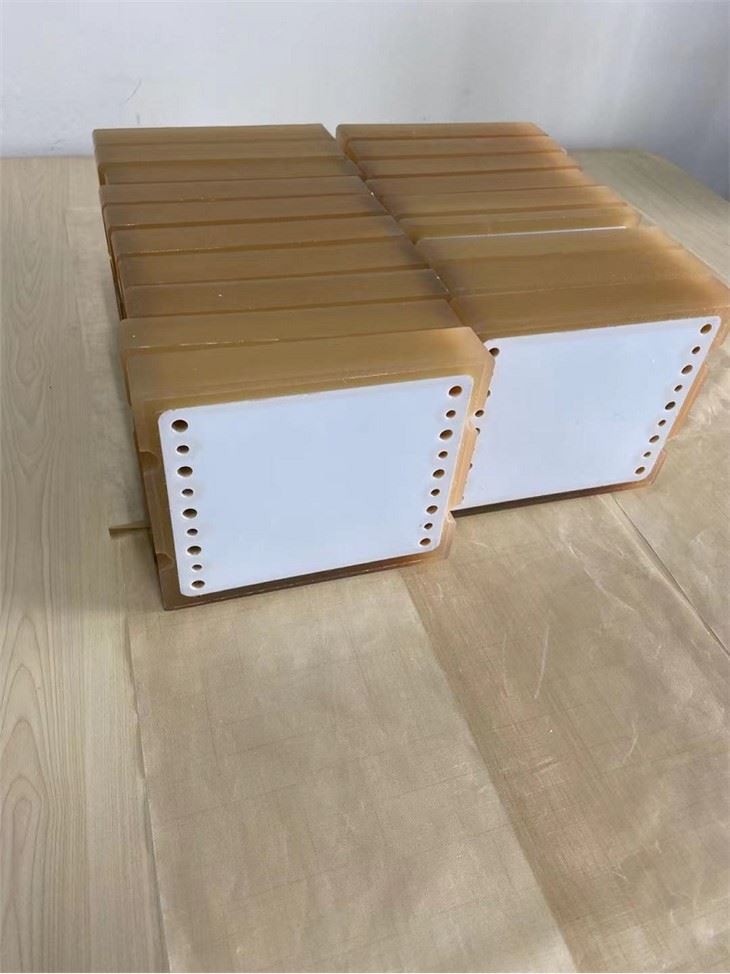

When evaluating the membrane material, it is important to consider the specific application requirements. For instance, if you are working with proteins or other biomolecules, you may need a membrane with low protein binding to minimize product loss. If you are dealing with harsh chemicals, you will need a membrane that is chemically resistant. Additionally, the membrane material should be able to withstand the operating conditions, such as pressure and temperature.
2. Pore Size and Distribution
The pore size of the membrane is another important factor to consider. The pore size determines the size of the particles that can pass through the membrane, which is crucial for achieving the desired separation. TFF Membrane Cassettes are available in a range of pore sizes, from microfiltration (e.g., 0.22um Microfiltration Cassettes) to ultrafiltration and nanofiltration.
In addition to the pore size, the pore size distribution is also important. A narrow pore size distribution ensures consistent performance and better separation efficiency. High - quality TFF Membrane Cassettes should have a well - defined and uniform pore size distribution.
3. Flow Rate and Flux
The flow rate and flux of the TFF Membrane Cassette are important indicators of its performance. The flow rate refers to the volume of fluid that passes through the membrane per unit time, while the flux is the flow rate per unit area of the membrane. A high flow rate and flux are desirable as they allow for faster processing and higher productivity.
However, the flow rate and flux can be affected by several factors, such as the membrane material, pore size, and operating conditions. For example, a membrane with a larger pore size generally has a higher flow rate, but it may also have lower selectivity. Therefore, it is important to find a balance between flow rate and separation efficiency.
4. Protein Binding and Fouling Resistance
Protein binding and fouling are common issues in TFF applications. Protein binding can lead to product loss and reduced membrane performance, while fouling can cause a decrease in flow rate and increase in operating pressure.
High - quality TFF Membrane Cassettes should have low protein binding properties to minimize product loss. This can be achieved through the use of appropriate membrane materials and surface modifications. Additionally, the membrane should have good fouling resistance to maintain its performance over time. Regular cleaning and maintenance can also help to reduce fouling and extend the lifespan of the membrane cassette.
5. Chemical Compatibility
The TFF Membrane Cassette should be chemically compatible with the feed solution and any cleaning agents used in the process. Chemical incompatibility can lead to membrane degradation, reduced performance, and potential contamination of the product.
Before using a TFF Membrane Cassette, it is important to check the chemical compatibility of the membrane material with the specific chemicals involved in the process. This information can usually be found in the product documentation provided by the manufacturer.
6. Sterility and Endotoxin Levels
In applications such as biopharmaceuticals, sterility and low endotoxin levels are of utmost importance. TFF Membrane Cassettes should be manufactured under strict quality control conditions to ensure sterility and low endotoxin levels.
The manufacturer should provide documentation on the sterility testing and endotoxin levels of the membrane cassettes. Additionally, proper handling and storage of the cassettes are essential to maintain their sterility.
7. Durability and Reusability
Durability and reusability are important considerations, especially for cost - effective operations. High - quality TFF Membrane Cassettes should be able to withstand multiple cycles of use without significant loss of performance. Some Resuable TFF Cassettes are designed to be cleaned and reused, which can significantly reduce the overall cost of filtration.
When evaluating the durability and reusability of a TFF Membrane Cassette, it is important to consider the cleaning methods and the number of cycles it can withstand. The manufacturer should provide guidelines on the proper cleaning and maintenance of the cassettes to ensure their long - term performance.
8. Manufacturer Reputation and Quality Assurance
The reputation of the manufacturer is an important factor in evaluating the quality of TFF Membrane Cassettes. A reputable manufacturer is more likely to have strict quality control measures in place and to provide high - quality products.
Look for manufacturers that have a proven track record in the industry and that comply with relevant quality standards, such as ISO 9001. Additionally, the manufacturer should provide technical support and after - sales service to assist customers with any issues or questions.
Conclusion
Evaluating the quality of TFF Membrane Cassettes is a complex process that involves considering multiple factors, including membrane material, pore size, flow rate, protein binding, chemical compatibility, sterility, durability, and manufacturer reputation. By carefully evaluating these factors, you can select the most suitable TFF Membrane Cassettes for your specific application.
If you are in the market for high - quality TFF Membrane Cassettes, we are here to help. Our company offers a wide range of TFF Membrane Cassettes that meet the highest quality standards. Whether you need cassettes for small - scale research or large - scale industrial applications, we have the right solution for you. Contact us to discuss your specific requirements and start a procurement negotiation.
References
- Smith, J. (2018). Membrane Filtration in Biopharmaceutical Production. Journal of Filtration Science and Technology, 15(2), 45 - 56.
- Jones, A. (2019). Advances in Tangential Flow Filtration Technology. Biotechnology Progress, 25(3), 789 - 801.
- Brown, C. (2020). Quality Control in Membrane Filtration Products. International Journal of Quality Assurance, 12(4), 321 - 335.